Neurochemistry In Leadership
One person tells you something kind and respectful, another person says something critical and negative. Which will you remember longest?
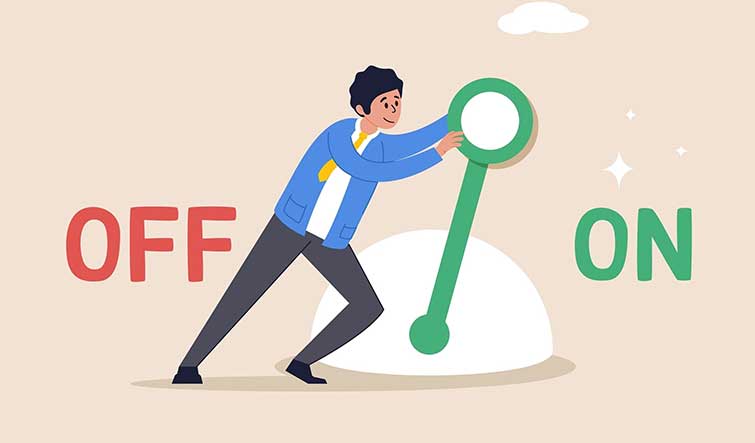
The negative lasts longer. Why? Common sense suggests they should balance out, but this is rarely the case. Recent research indicates that the way we think and respond in a given situation is all about hormones and how they affect our brain. We are motivated by ‘neurochemistry’.
We may not be able to exercise complete control over our brain hormones or those of others, but the good news is that we can use our increasing understanding of neurochemistry to help us choose which kinds of hormone to foster in others, and what kind of environment to build.
Oxytocin and Cortisol
There are of course many different types of chemical that affect our brain, here we will focus on just two – oxytocin, the well known ‘feel good’ hormone, and cortisol, one of the principal stress hormones. Oxytocin is associated with feelings of trust and openness — with situations of collaboration, appreciation and respect – ie positive. Cortisol by contrast is associated with anxiety and defensiveness — with situations involving confrontation, rejection and criticism – ie negative.
Neither of these two hormones is intrinsically ‘superior’ to the other, both have important evolutionary purposes. Several studies notably by Barbara Fredrickson have shown that oxytocin is linked with a range of positive emotions which have a ‘broadening’ effect on our thinking, engaging learning centres and improving creativity. It has also been independently linked to improved memory, social skills, and trust. So creating an oxytocin promoting environment is essential both for accelerated learning and creativity in the workplace.
Oxytocin has a shorter half life
Let’s go back to the question posed earlier – why do negative comments last longer than positive? The answer is oxytocin has a much shorter half life than cortisol in the blood. Glaser and Glaser in an article for Harvard Business Review state ‘oxytocin metabolises more quickly than cortisol so its effects are less dramatic and long lasting’.
Amabile and Kramer found the impact of setbacks was 2 to 3 times as strong as the impact of progress.
This makes it especially important to prioritise the production of oxytocin over cortisol — the promotion of relationships of openness, fun and progress, over anxiety and confrontation.
Since our oxytocin levels are in constant need of topping up, encouragement, honesty and praise need to be practised on a continuous basis to keep it high. Reward, reward, reward: keep up that oxytocin!
It is important to note that we of course should never be afraid of confrontation or of giving direct feedback. But remember that what we say is not as important as the way in which we say it.
Neurochemistry confirms what most of us intuitively know – constructive criticism, along with all other forms of business interaction, should be delivered as far as possible in an open and supportive way.
Learn more at the Inspirational Leadership seminar.
Read about LDL leadership & management training.